A Digital Gap That Persists
In many Tanzanian public schools, digital learning remains largely out of reach. Limited funding means that computer labs, laptops, and reliable internet access are often absent. Yet digital skills are no longer optional — they are essential for education, employment, entrepreneurship, and participation in modern society.
As a result, many students leave school without ever touching a computer, placing them at a long-term disadvantage. This digital gap does not only affect individual students; it limits the broader development potential of entire communities.
Our Experience So Far
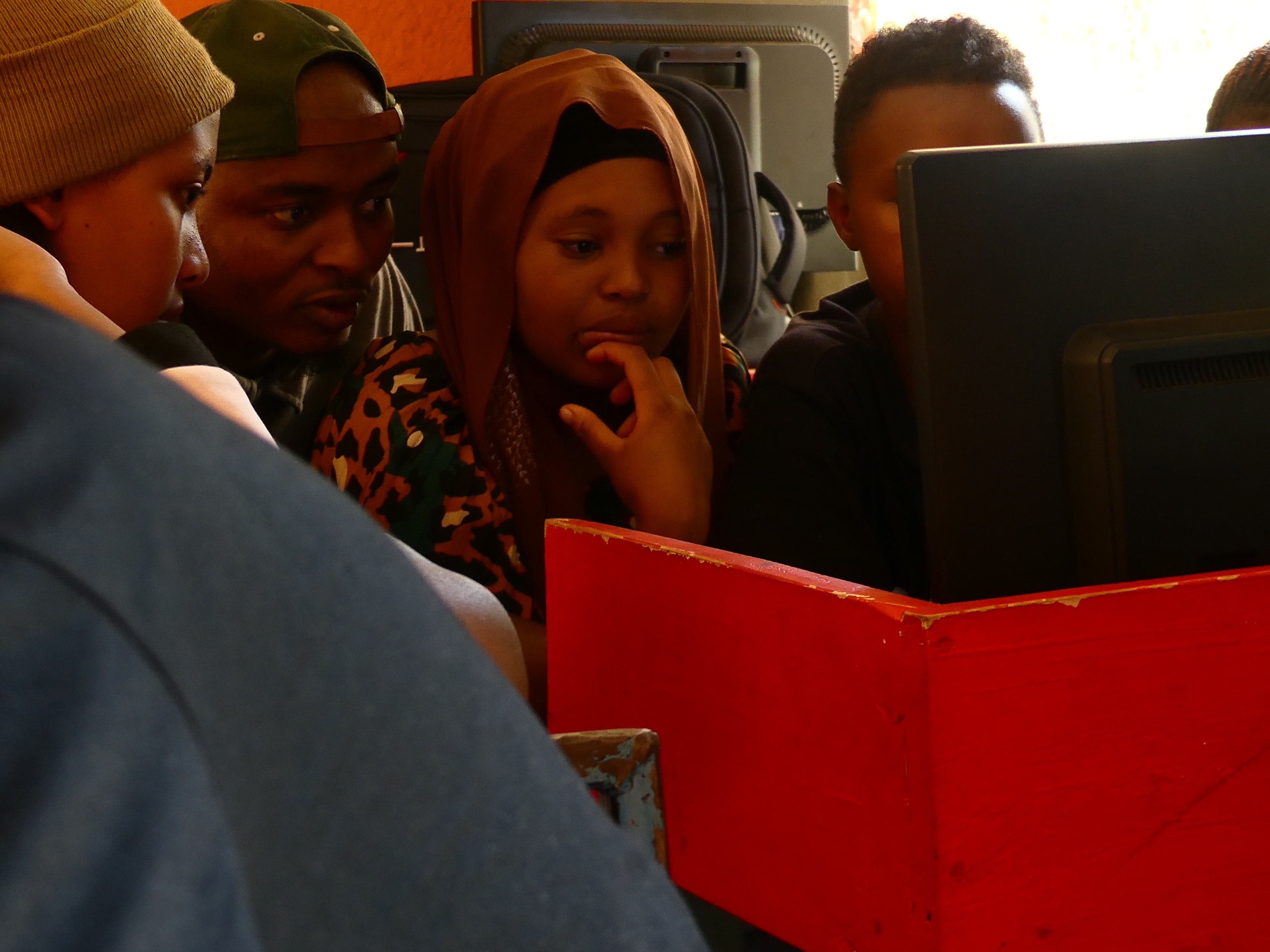
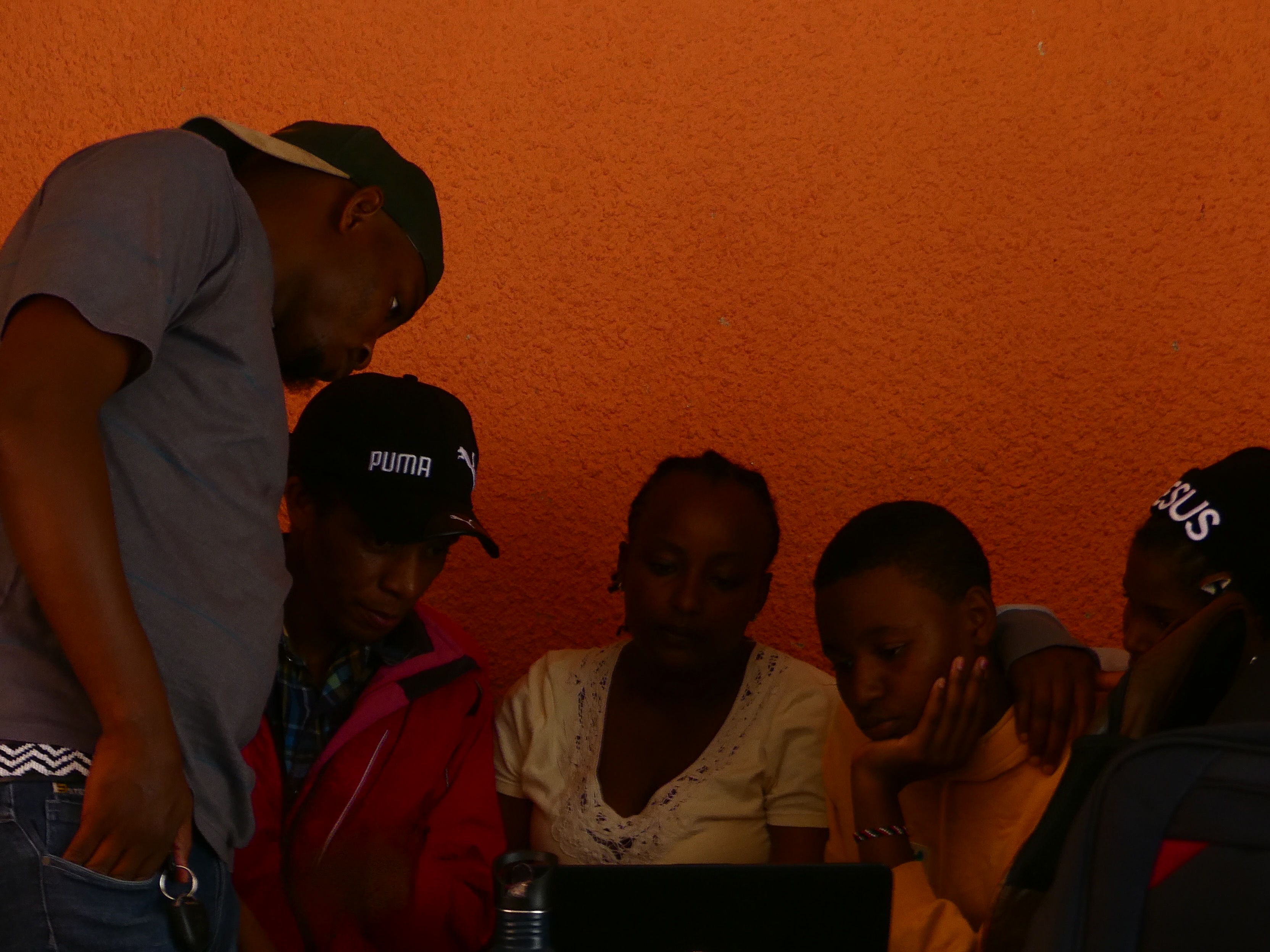
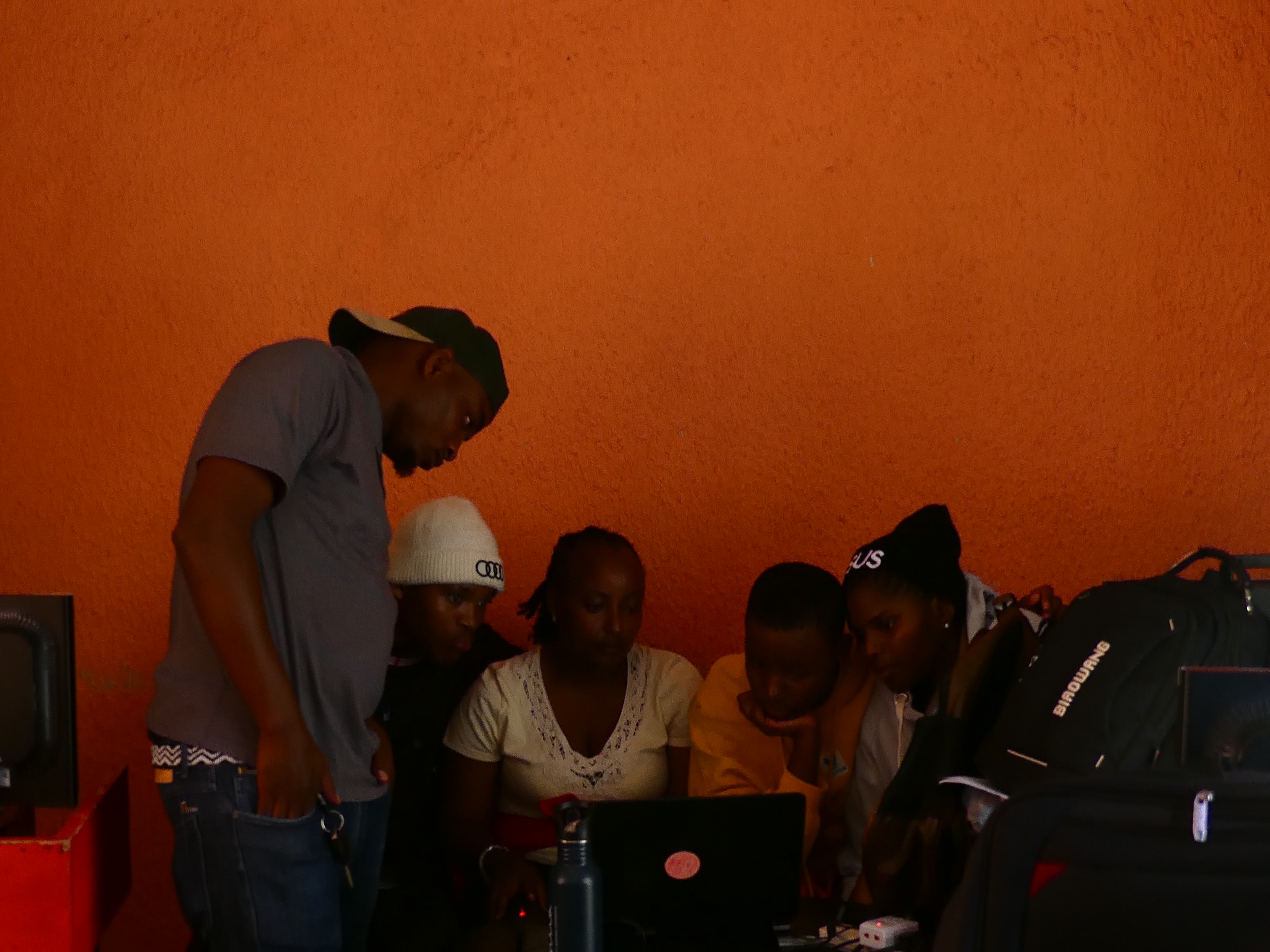
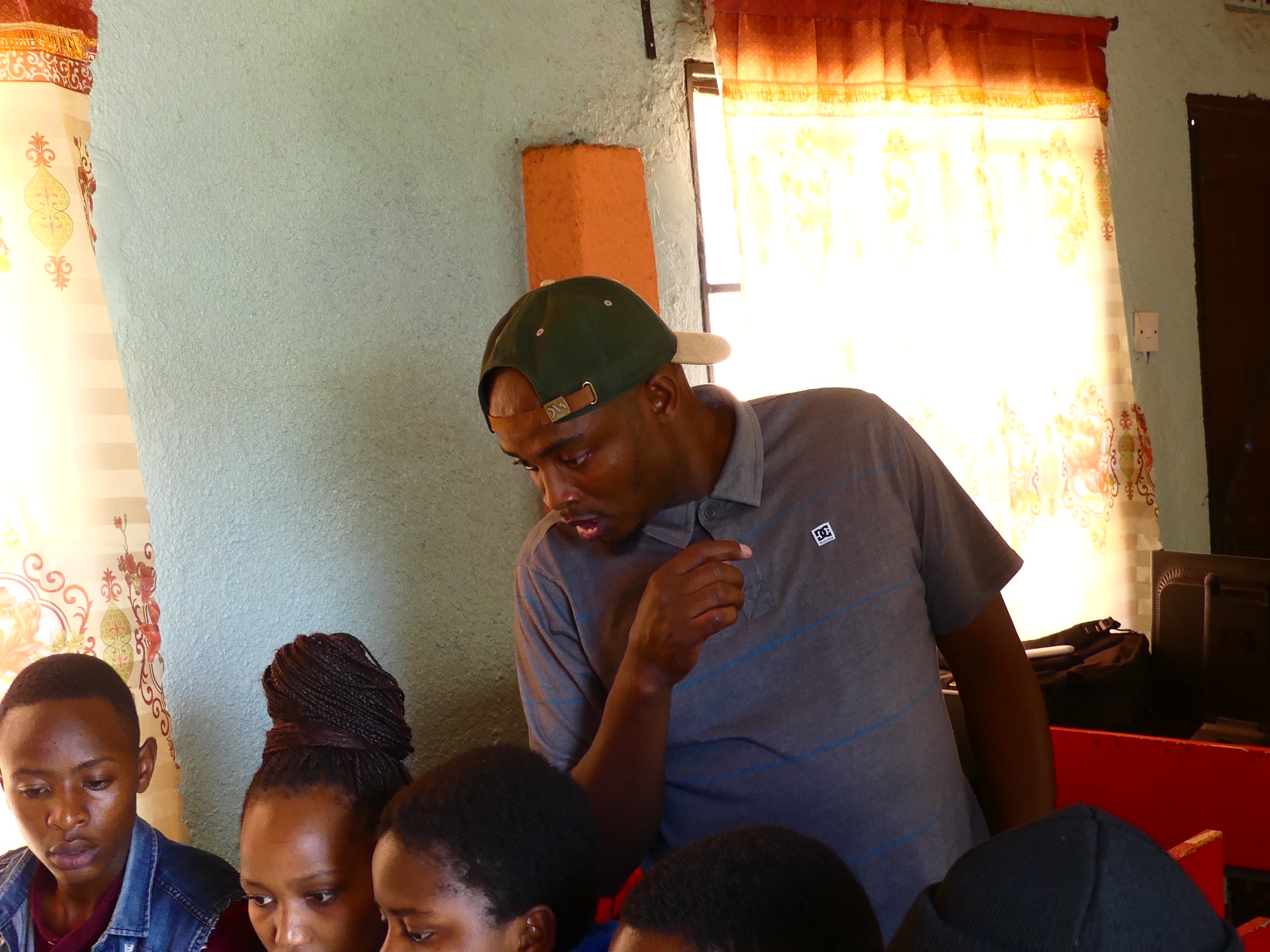
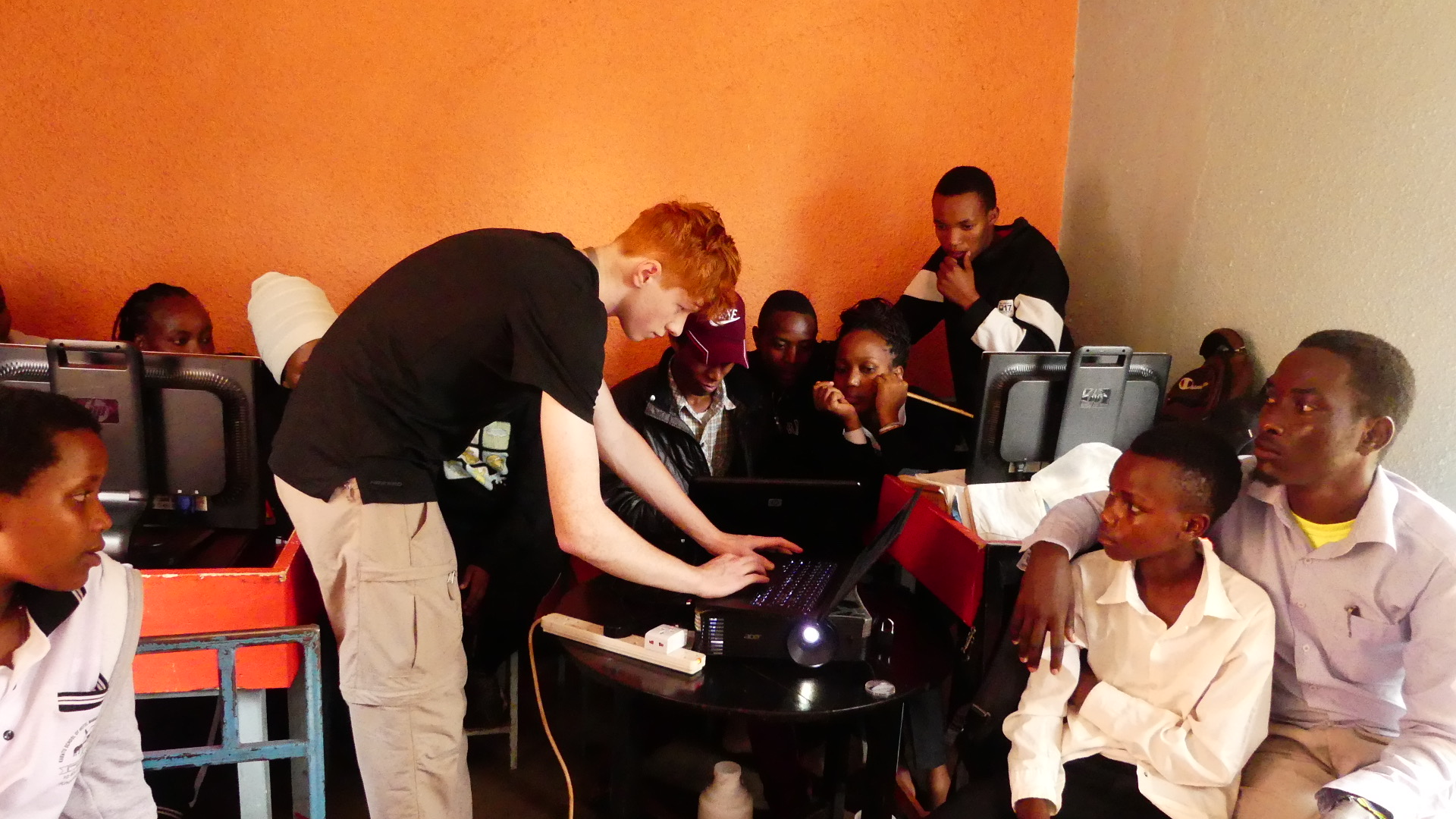
REMO launched the ICT Project to help bridge this gap. The first phase was implemented at a college in Karatu, Tanzania, where students received hands-on training using donated laptops. The training focused on practical and applicable skills, including:
- Microsoft Office basics
- Simple graphic design
- An introduction to website creation
In addition, REMO supported the provision of internet access, allowing digital learning to continue beyond individual workshops and become part of the school’s longer-term educational environment.
For many participants, this was their first direct interaction with a computer, marking a significant step toward digital inclusion.
Phase 2: A Lasting Impact
Building on the lessons learned in Karatu, the 2nd phase of this ICT Project shifts the focus from short-term workshops to sustainable, school-based digital education.
The new approach centres on training teachers first, empowering them to pass on digital skills consistently and independently. How it works:
- Teacher Training at REMO’s office hub (Mto wa Mbu):
Selected teachers from public schools are trained at REMO’s office hub in Mto wa Mbu, receiving both technical ICT skills and guidance on teaching digital literacy. - School-Based ICT Clubs:
After training, teachers return to their schools to establish ICT clubs. These clubs provide a structured and engaging environment where students can learn and practise digital skills regularly. - Focus on Public Schools:
The project specifically targets underfunded public schools, where access to digital education is most limited. - Local Expertise and Ownership:
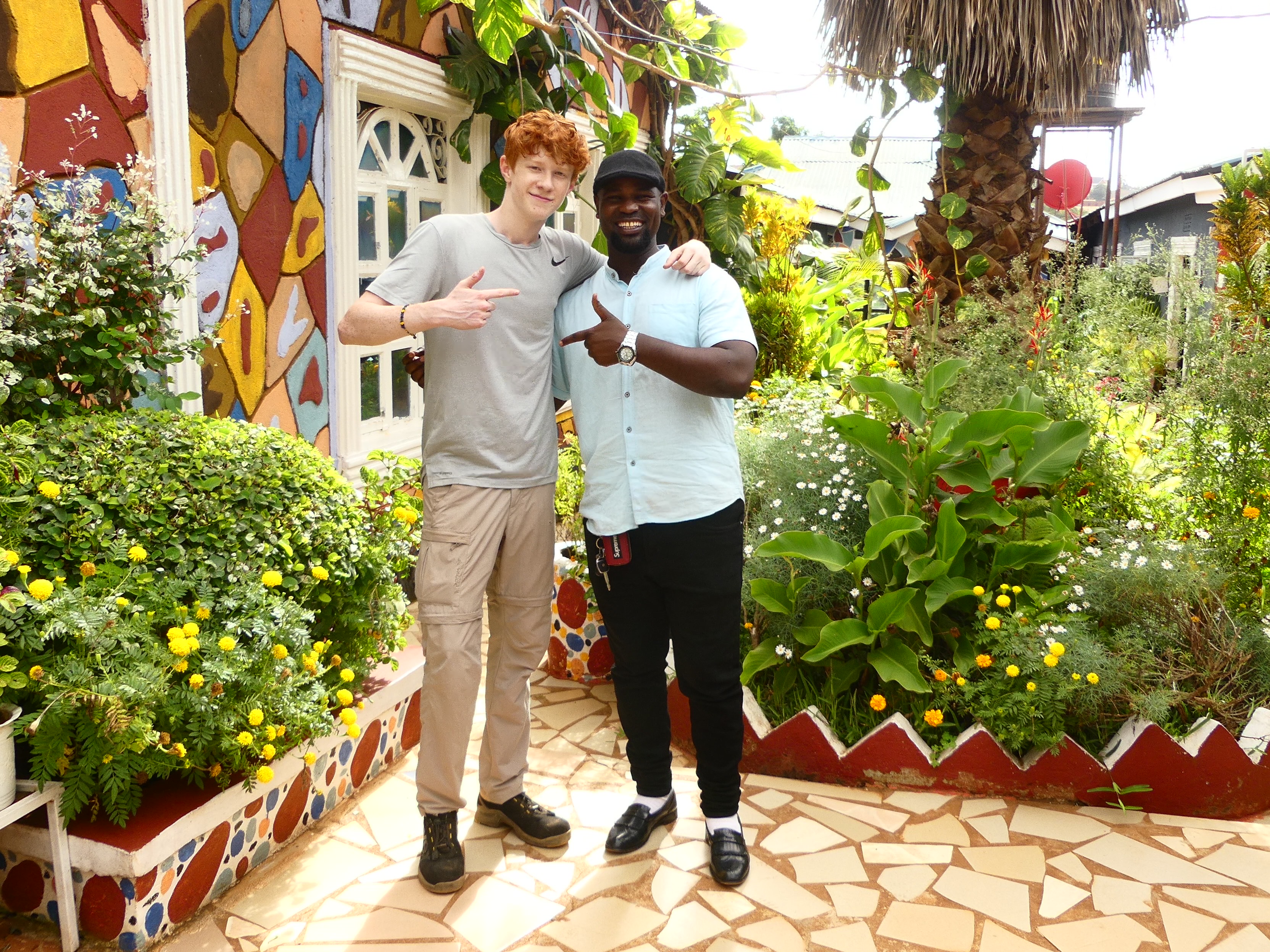
Trainings are supported by REMO staff and volunteers, including Ezekiel, a local REMO team member holding a diploma in ICT, and Tim Plückebaum, REMO Co-Founder & Volunteer, ensuring local knowledge, continuity, and relevance. - Potential for Regional Expansion:
Through collaboration with locals, including contacts in the Ngorongoro area, the model is designed to be replicated across multiple schools and communities.
The Impact
ICT Project 2.0 aims to create a multiplier effect. By training teachers rather than only students, digital skills are embedded into school life and can be passed on year after year.
Students benefit from:
- Regular access to digital learning
- Improved confidence and problem-solving skills
- Better preparation for further education, employment, and entrepreneurship
Schools benefit from:
- Increased teaching capacity
- Sustainable ICT integration without constant external support
Communities benefit from:
- A digitally literate generation better equipped to contribute to local development
Looking Ahead
ICT Project 2.0 represents a shift from access to long-term empowerment. By strengthening local capacity and integrating ICT into everyday school life, REMO aims to ensure that digital education becomes normal, not exceptional, in Tanzania’s public schools.
With continued support, this model can expand beyond individual schools and help close the digital divide across entire regions.
How You Can Help
If you would like to support this project, you can:
- Donate: Your financial support helps to fund these projects directly. However, specific items such as laptops, a digital camera and similar are of profound relevance for these projects. So if you have some still lying around which you are not using, please contact us!
- Spread the Word: Help raise awareness by sharing this project with your networks. Wider visibility increases impact.
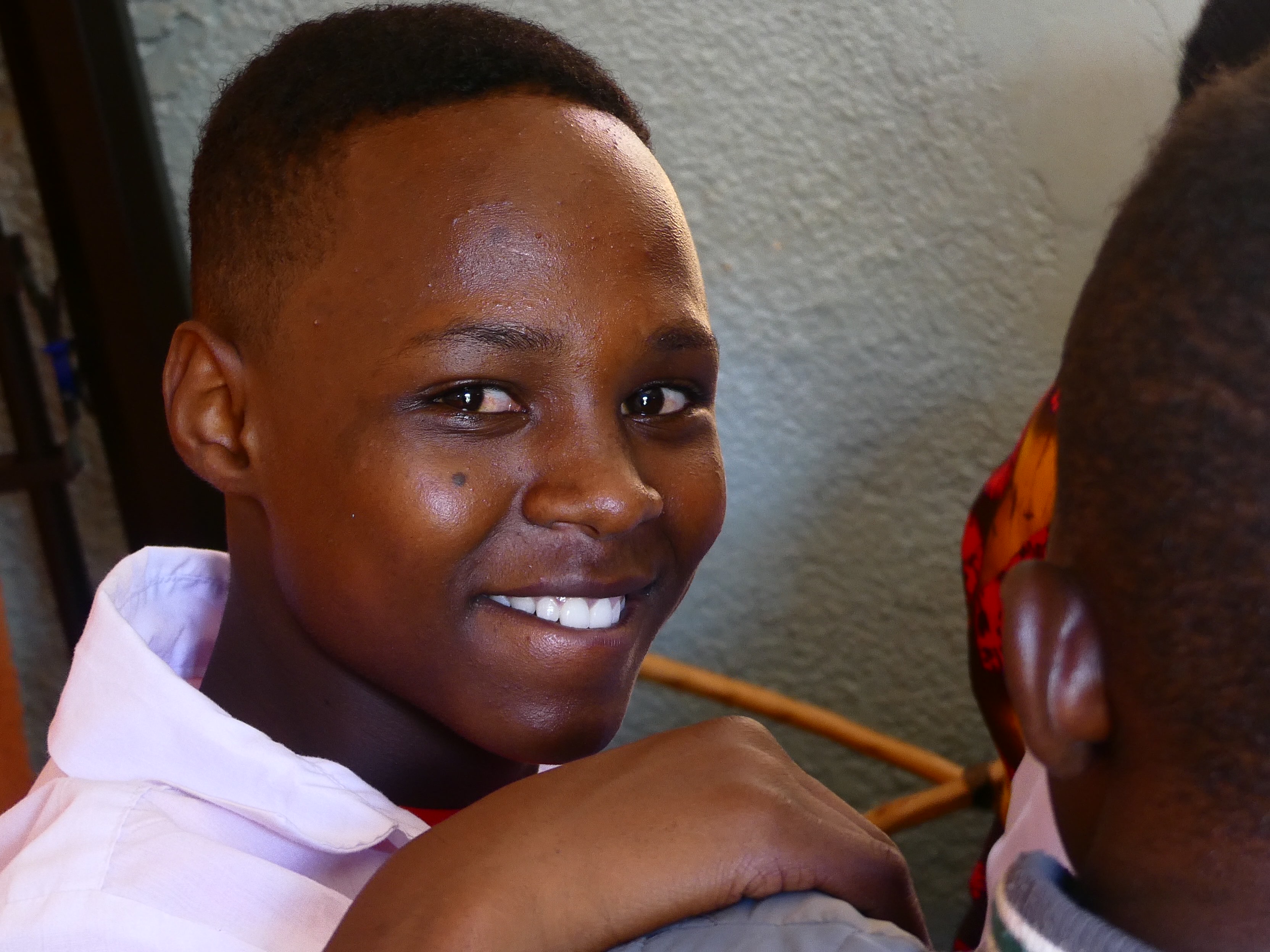
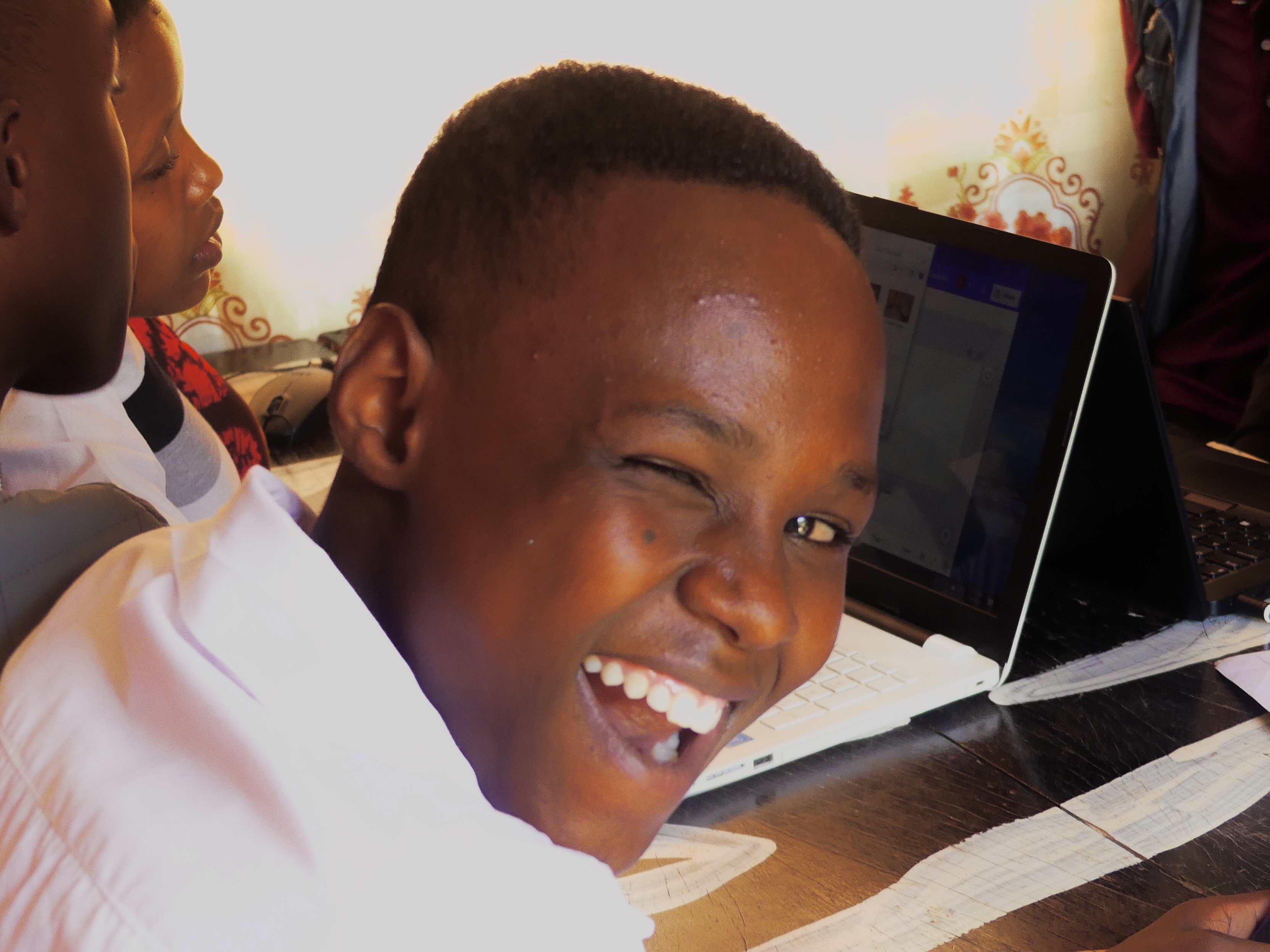
Below you'll find a few photos from phase 1 of this project. More documentation and media can be found under the project description ("Our Projects") and our YouTube channel.